
 By Editor
 The Kano Zone of the Academic Staff Union of Universities has raised concerns over a possible industrial crisis in Nigerian public universities, citing the Federal Government’s failure to fully implement the 2025 agreement reached with the union.
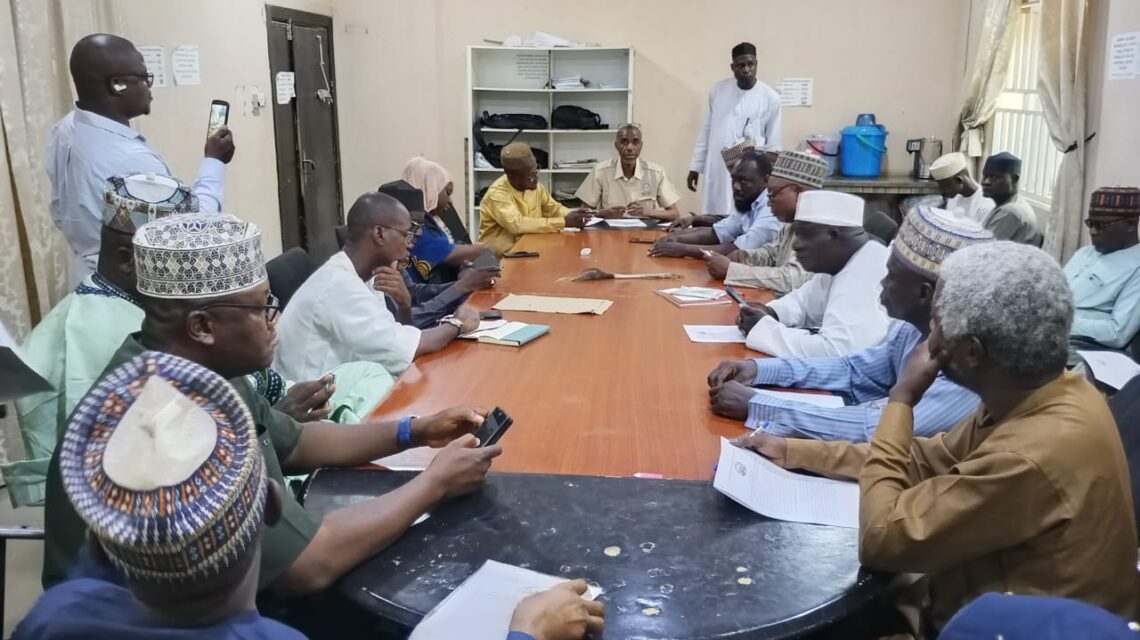
Speaking during a press conference at Bayero University Kano, the Zonal Coordinator, Professor Abdulkadir Muhammad, said the delay in setting up the Implementation Monitoring Committee had resulted in partial and uncoordinated execution of the agreement.
According to him, critical aspects of the agreement, including salary adjustments, Consolidated Academic Tool Allowances, and Earned Academic Allowances, have only been implemented selectively by some university authorities, while several state governments are yet to comply.
The union also decried unresolved welfare issues affecting lecturers nationwide, including outstanding salary arrears, unpaid allowances, withheld salaries linked to the 2022 strike action, and delayed pension payments for retired academics.
Professor Muhammad called on President Bola Ahmed Tinubu to urgently intervene and ensure full implementation of the agreement to avert disruption of academic activities across universities.
ASUU further criticised recent policy directives introduced by the Minister of Education, Maruf Tunji Alausa, describing them as misguided and potentially harmful to Nigeria’s education system.
The policies criticised include the proposed National Research and Innovation Development Fund, the reversal of the mother-tongue education policy, and plans to establish foreign university campuses in Nigeria.
The Kano Zone of ASUU reaffirmed its commitment to defending university autonomy and warned that continued failure by the government to honour the agreement could lead to another disruption of the academic calendar.
The union urged Nigerians to hold relevant authorities accountable in order to safeguard the future of higher education in the country.
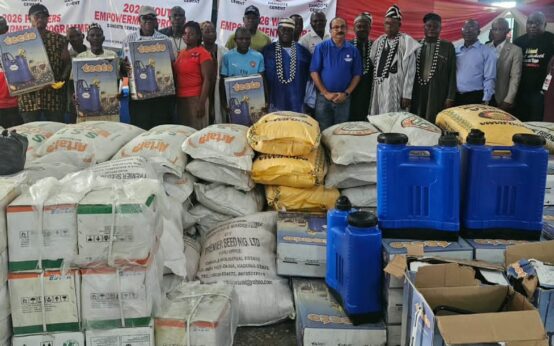 Dangote Cement Launches Multi-Million Naira Empowerment Scheme for Benue Host Communities
 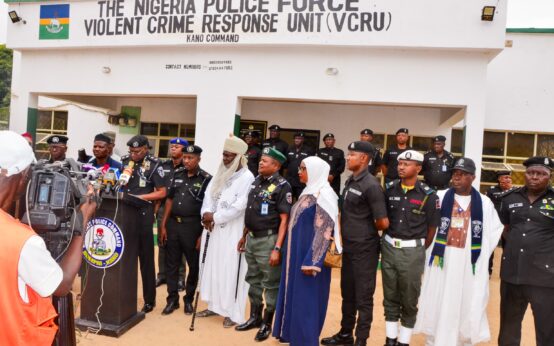 Kano Police Launch Special Violent Crime Response Unit to Combat Kidnapping, Robbery
 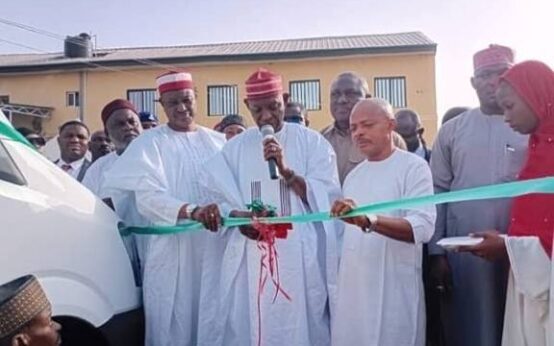 Kano Launches Presidential CNG, Electric Vehicle Initiative to Drive Economic Growth
 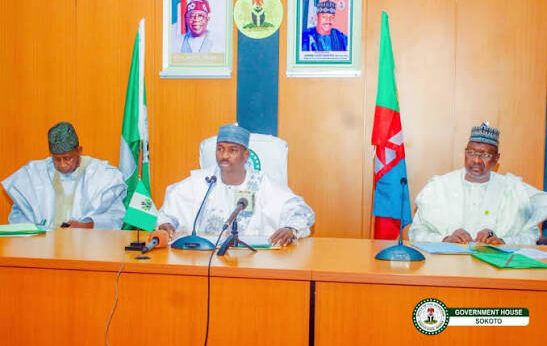 Sokoto Executive Council Approves Multi-Billion Naira Projects for Roads, Transport, Airport, NYSC Camp
  Rep Rurum Secures N90bn Tiga Bridge, Irrigation Project for Southern Kano
  Kano Police Pledge Accountability and Community Engagement in Strategic Meeting