
 By Editor
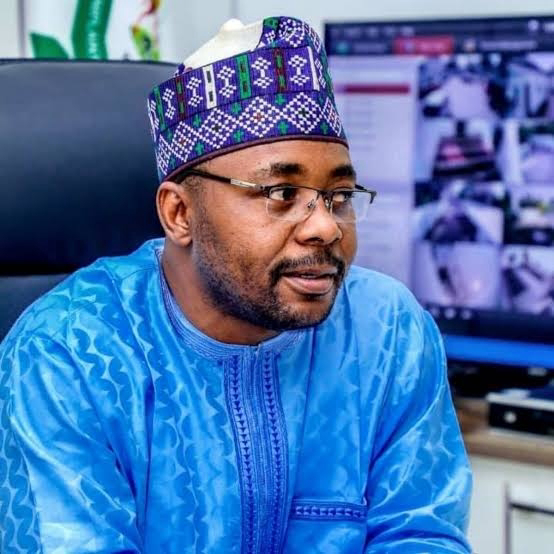
Kano State’s campaign against drug abuse, illicit trafficking and gang-related violence is entering a new phase, with the state’s Multi-Agency Task Force reporting more than 400 arrests, over 500 convictions and the introduction of technology-driven enforcement strategies.
Established following Governor Abba Kabir Yusuf’s declaration of a public health emergency on drug abuse on July 22, 2026, the Task Force, chaired by Barrister Muhyi Magaji Rimin Gado, was initially viewed by some residents as another government committee.
However, three months into its operations, the committee has become a major feature of Kano’s security response, with a series of enforcement operations, drug seizures, arrests and rehabilitation initiatives.
Its activities have also drawn attention to the growing connection between substance abuse, youth violence and the activities of criminal gangs across the state.
The Task Force was established as a multi-agency platform involving the National Drug Law Enforcement Agency (NDLEA), Nigeria Police Force, Department of State Services (DSS), Consumer Protection Council, Pharmaceutical Society, Ministry of Health, Anti-Daba Unit and other relevant stakeholders.
Dr. Ibrahim Garba Muhammad serves as its Secretary.
The arrangement was designed to strengthen cooperation among security agencies, health professionals, regulatory institutions and other stakeholders in addressing drug abuse from both enforcement and public health perspectives.
Figures released by the Task Force indicate an increase in arrests and prosecutions since its inauguration.
According to its Chairman, more than 380 suspects were arrested within the first two months of operations, resulting in over 230 convictions.
Speaking at the Kano Network of NGOs (KANET) Monthly Lecture in Nasarawa GRA on September 29, Barrister Muhyi disclosed that the number of arrests had exceeded 400.
Presenting its operational scorecard to the Kano State Executive Council in September, the committee also reported a 35 per cent reduction in drug-related crimes over the preceding three months.
By October 22, the Task Force said the number of convictions had exceeded 500.
It attributed the reported reduction in drug-related crimes to intensified intelligence gathering, coordinated raids, arrests, seizures and prosecution of suspected offenders.
Its enforcement activities have covered several identified hotspots, including Race Course, Filin Idi, Filin Mahaha, Tashar Rami, Kawo, Tashar Rimi, Jakara, Madigawa, Yalwa, Sanka, Kul Kul, Dogon Nama and Kukar Bulukiya.
Among the substances recovered during operations are Cannabis Sativa, Tramadol, Diazepam, Pentazocine, Pregabalin, Exol-5 and a methamphetamine-based designer drug.
One of the notable seizures involved 870,000 capsules of Pregabalin reportedly recovered from a pharmaceutical company over suspected diversion.
The Task Force also recovered locally made weapons, including knives, daggers, cutlasses and clubs, allegedly used by criminal gangs.
The committee has also announced arrests involving individuals it considers significant to the state’s drug-control campaign.
On August 18, it disclosed the arrest of a former Chairman of Rogo Local Government Area over allegations that he sold and administered fentanyl injections to young people.
According to the Task Force, the arrest followed the identification of the suspect by a victim who reportedly spent more than N2 million on the injections.
The allegations are subject to the relevant judicial process.
In its latest major operation, announced on October 30, the Task Force disclosed the arrest of a 27-year-old suspected sponsor of gang violence, identified as Ishaq Lawan Ibrahim, popularly known as Malam Keya.
The suspect, said to be from Yalwa in Dala Local Government Area, was allegedly financing violent confrontations between rival Daba gangs in Dala, which reportedly resulted in fatalities.
According to the committee, he fled Kano for Port Harcourt, Rivers State, following intensified security operations.
However, he was reportedly tracked down and arrested in an operation led by the Task Force’s Head of Operations, CSP Bashir Gwadabe, before being returned to Kano.
He is currently in police custody pending prosecution.
Reacting to the development, Barrister Muhyi said the arrest demonstrated the committee’s determination to pursue suspects beyond Kano’s geographical boundaries.
The operation also highlights the growing emphasis on intelligence-led investigations and inter-state security cooperation.
While enforcement remains a major component of its activities, the Task Force says its responsibilities extend beyond arresting suspected drug dealers and gang members.
According to the committee, 43 underage children allegedly exposed to intoxicating substances have been rescued.
It also reported securing convictions against two drug dealers, identified as Kabiru Isa and Usman Hamisu, in connection with offences involving the children.
In addition, approximately 125 individuals have been referred to the Kano Reformatory Institute in Kiru for rehabilitation.
Recognising the pressure on the existing facility, the state government has reportedly provided an additional rehabilitation centre in Tofa.
The Task Force has also announced an ambitious target of removing 10,000 youths from the streets and providing them with rehabilitation, vocational training, skills acquisition and opportunities for reintegration into society.
The initiative reflects an attempt to address the social and economic factors that contribute to substance abuse and youth involvement in criminal activities.
On August 21, Barrister Muhyi inaugurated nine sub-committees to improve the organisation, coordination and effectiveness of the campaign.
The sub-committees cover:
- Finance.
- Media and Publicity.
- Advocacy and Sensitisation.
- Licences, Inventory and Verification.
- Compliance, Inspection and Electronic Tracking.
- Monitoring and Implementation.
- Intelligence.
- Reformative and Traditional Council.
- Anti-Drug Coordination.
The structure is intended to strengthen accountability, improve intelligence gathering, monitor compliance and encourage greater participation from traditional institutions and community stakeholders.
One of the most significant developments in the Task Force’s recent activities is its proposed deployment of technology to strengthen drug enforcement and public participation.
On October 22, Barrister Muhyi, representing Governor Abba Kabir Yusuf, presented operational equipment to the NDLEA Kano Strategic Command, led by Commander Dahiru Yahaya Lawan.
The donation was aimed at improving the agency’s operational capacity and supporting the broader campaign against drug trafficking and abuse.
Muhyi also disclosed that Kano State was introducing Artificial Intelligence (AI)-supported surveillance and tracking systems to assist in identifying suspected drug dealers and monitoring criminal activities.
Additionally, the government is equipping a rapid-response centre with information and communication technology facilities and a 24-hour toll-free telephone line.
According to the Chairman, the proposed system is designed to enable residents to report suspicious activities and receive responses within 30 minutes.
The announcement represents an effort to move the campaign beyond conventional raids by incorporating technology, intelligence and community-based reporting.
Speaking at the KANET lecture, themed “Kano Drugs Crisis: Challenges, the Way Forward and the Role of the Community,” Muhyi emphasised the importance of public cooperation and community intelligence.
He also called for expanded rehabilitation programmes to reduce pressure on correctional and remand facilities.
From the beginning of the campaign, Barrister Muhyi has repeatedly maintained that political influence will not determine who is investigated or prosecuted.
In a statement to journalists on July 28, he declared:
“No politician can pressure me to free drug suspects. The only person who can stop me is the Governor, and I know he will never interfere.”
The statement underscored his position on political interference in the Task Force’s operations.
His approach, combined with the reported enforcement activities, has attracted public attention, although the long-term effectiveness of the initiative will ultimately depend on measurable outcomes, transparency and respect for due process.
The scale of the challenge facing Kano State remains significant.
Police data cited by the Task Force reportedly indicates that approximately 70 per cent of major crimes recorded in 2025 were linked to drug abuse.
The state government has also introduced an Executive Order outlawing Daba gang activities, with a minimum five-year imprisonment prescribed under Section 97A of the Kano Penal Code.
These developments highlight the relationship between substance abuse, organised street violence and wider public safety concerns.
However, sustaining the campaign will require more than arrests and convictions.
Three major challenges stand out.
First, the government must strengthen controls across the pharmaceutical supply chain to prevent the diversion of controlled medicines into illegal markets.
Second, rehabilitation facilities must be expanded and adequately funded to accommodate the growing number of people requiring treatment and reintegration.
Third, effective cooperation among security agencies must be sustained, with clear institutional responsibilities, accountability and respect for the rule of law.
For Kano’s drug-control campaign, the figures released so far suggest an extensive enforcement effort, but the ultimate test will be whether the operations translate into lasting improvements in public safety and reduced substance abuse.
The Task Force’s reported arrests, convictions, drug seizures, rehabilitation referrals and proposed technology-driven initiatives represent different dimensions of the state’s response.
In communities such as Filin Idi and parts of Dala, the committee says its activities are already making an impact.
Yet the bigger question remains whether the current momentum can be sustained through stronger institutions, effective rehabilitation, community participation and a disruption of the networks supplying drugs and financing gang violence.
For Barrister Muhyi and the multi-agency team, the challenge is no longer simply to demonstrate enforcement activity, but to deliver lasting results that make Kano’s streets safer and protect the future of its young people.
 Kano Cabinet Shake-Up: Waiya Loses Information Portfolio as Yusuf Reassigns Commissioners
 Yusuf Woos UK Investors, Seeks Stronger Economic Partnership with Britain
 Barau Commends FUST Kabo as 20 Courses, Including Medical Programmes, Secure Accreditation
 Nigeria Customs, US Chamber of Commerce Deepen Bilateral Relations to Boost Trade Facilitation
 NCC Launches Device Checker Platform to Combat Fake Phones, Track Stolen Devices
 Garko Youth Movement Hosts Town Hall, Candidates Sign Peace Accord Ahead of Elections