
 By Editor
 By Ladan Nasidi Garko
Stakeholders in Nigeria’s renewable energy sector have called on the Federal Government to adopt a phased approach to its proposed ban on the importation of solar panels and related accessories, warning that an immediate restriction could worsen the country’s electricity supply challenges.
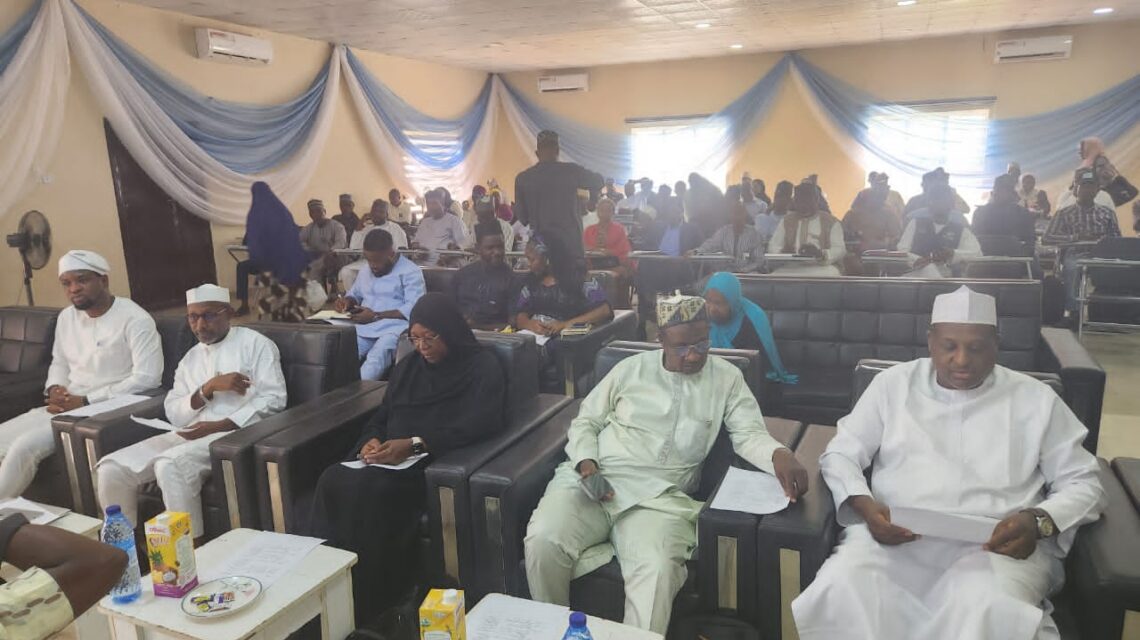
The appeal was made during a high-level multi-stakeholder policy dialogue on Nigeria’s proposed solar panel import policy, organised by the Centre for Renewable Energy and Sustainability Transition (CREST), Bayero University, Kano, in collaboration with the Global Initiative for Food Security and Ecosystem Preservation (GIFSEP), Solar Power Nigeria and other partners.
Speaking at the event, the Director of CREST, Prof. Nasir Isa Fagge, said the dialogue was convened to provide a platform for industry players, policymakers and other stakeholders to examine the proposed policy and develop practical recommendations for its implementation.
According to Fagge, the initiative aligns with the Federal Government’s efforts to promote local content in science, technology and manufacturing. He added that the recommendations from the dialogue would be harmonised into a policy document to be submitted to the Federal Government to support evidence-based decision-making.
The Executive Director of GIFSEP, Dr. David Michael, said the organisation was prompted to convene discussions following the government’s announcement of plans to ban solar panel imports. He noted that millions of Nigerians now depend on solar energy as a reliable alternative to the country’s unstable electricity supply.
Michael stressed that Nigeria still relies heavily on imported solar panels and related components, making an outright ban premature. He urged the Federal Government to implement the policy gradually while investing in local manufacturing, technology transfer and capacity development to strengthen the domestic renewable energy industry.
He said a phased implementation would protect access to affordable renewable energy while giving local manufacturers sufficient time to build production capacity and compete effectively.
Declaring the dialogue open, the Vice-Chancellor of Bayero University, Kano, Prof. Haruna Musa, represented by Prof. Amina Mustapha, described the engagement as timely and significant for the growth of Nigeria’s renewable energy sector.
She urged participants to make meaningful contributions that would enrich the policy document and support the development of a balanced, practical and sustainable national policy on solar energy.
The policy dialogue brought together stakeholders from the renewable energy sector, environmental experts, policymakers and industry representatives to deliberate on the future of Nigeria’s solar energy industry.
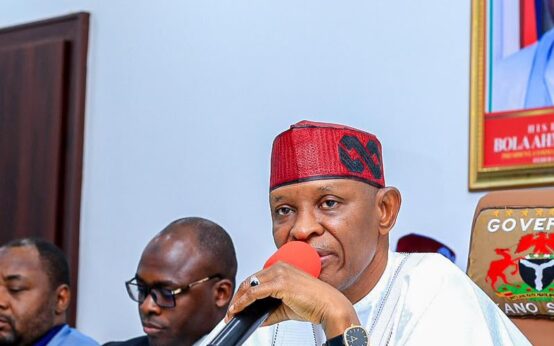 Gov Yusuf Reaffirms Commitment to Human Capital Development, Youth Empowerment in Kano
 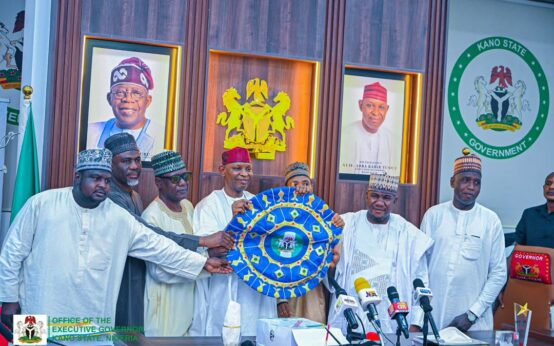 Governor Abba Yusuf Bags Multiple Awards for Leadership, Socio-Economic Development in Kano
 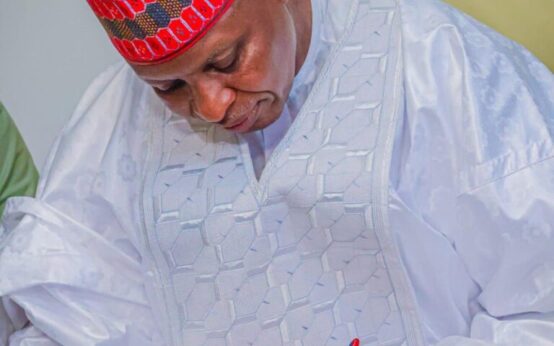 Gov Yusuf Launches Anti-Drug Task Force, Signs Executive Order to Tackle Thuggery in Kano
  Kano Approves Appointment of 8,588 Education Personnel to Boost Basic Education
  FRSC, NBA Kano Partner to Strengthen Rule of Law, Improve Road Safety Enforcement
  KASEMA Replies Ex-Deputy Governor Gwarzo, Says Flood Relief Payments to Begin Soon