

 By Editor
 As Nigerians mark Democracy Day on June 12, attention turns not only to the nation’s democratic journey but also to how democratic governance is unfolding across the states. In Kano State, the administration of Governor Abba Kabir Yusuf offers a unique picture of democracy shaped by two contrasting realities—intense political contestation at the top and visible developmental progress at the grassroots.
Since assuming office in 2023, Governor Yusuf has governed amid persistent political tensions, legal disputes, and fierce opposition scrutiny. The rivalry between the ruling New Nigeria People’s Party (NNPP) and opposition forces has created a highly charged political environment, with major government policies and reforms frequently attracting criticism and public debate.
From urban renewal initiatives to institutional audits and governance reforms, several decisions of the administration have become subjects of heated political discourse. Legal battles and partisan confrontations have often dominated public conversations, creating the impression of a state consumed by political conflict.
However, political analysts argue that such developments also reflect the strength of democratic engagement in Kano.
Democracy thrives on accountability, debate, and citizen participation, and the state’s vibrant political culture demonstrates a population deeply invested in governance and public affairs.
The intensity of political competition has ensured that government actions remain under constant scrutiny. Public officials operate within a framework of active oversight, while citizens continue to demand transparency and accountability.
Although this atmosphere may appear turbulent, it also underscores the resilience of democratic institutions and the willingness of stakeholders to challenge authority through lawful and constitutional means.
Beyond the political headlines, another narrative is emerging—one centered on governance and service delivery. Despite the distractions of political battles, the Yusuf administration has maintained a focus on human capital development and social investment aimed at improving the lives of ordinary citizens.
The government has continued to prioritize key sectors such as education, healthcare, infrastructure, and human development.
These interventions are targeted at addressing the needs of vulnerable communities while strengthening public institutions across the state.
As Kano navigates the complexities of democratic governance, its experience highlights a crucial lesson: democracy is measured not only by political competition but also by its ability to deliver meaningful progress. While political contests may dominate the headlines, the lasting legacy of any administration will ultimately be judged by the impact of its policies on the lives of the people.
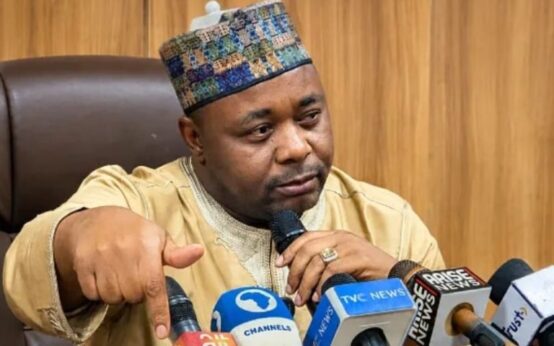 Kano Anti-Drug Committee Warns Politicians, Others Against Seeking Release of Suspects
 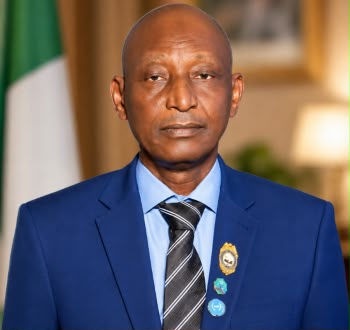 Project 774 Network to Hold National Security Summit, Calls for Citizens’ Partnership to End Terrorism, Banditry
  Nigeria, Benin, Cameroon Customs Move to Modernise Borders, Boost AfCFTA Trade
  Nigeria Customs Releases Final List for ASC II Recruitment, Sets July 29 Deadline for Medical Certificate Upload
  Jigawa First Lady Joins Kebbi Counterpart for Mass Wedding of 300 Orphans, Vulnerable Couples
  Kano Government Arrests Three Over Alleged Illegal Demolition of 50-Year-Old Watari Bridge