
 By Editor
 The Kano State Government has announced plans to rehabilitate, train and reintegrate about 10,000 drug users and vulnerable youths into society within the next one year.
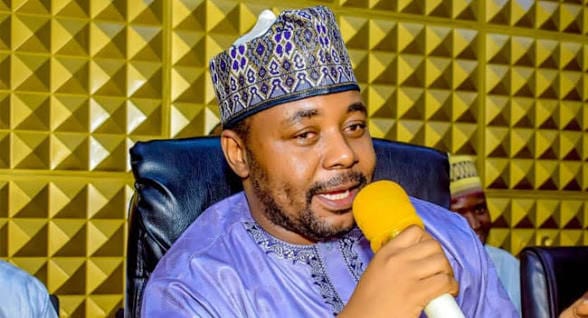
The Chairman of the Kano State Task Force on Drugs Abuse, Barr. Muhyi Magaji Rimin Gado, disclosed this during a media parley with members of the Kano NUJ Correspondents Chapel in Kano.
Rimin Gado said the task force had recorded significant progress in its campaign against drug abuse, illicit drug trafficking and gang violence since its inauguration by the state government.
He identified increased public participation in reporting suspected drug-related activities to security agencies as one of the major breakthroughs recorded by the task force.
According to him, the growing involvement of residents indicates that communities are increasingly taking ownership of the fight against drug abuse and trafficking.
“People are beginning to take ownership of the fight against drug abuse and trafficking. Members of the public now report suspected drug-related activities to security agencies, which enables us to intervene and arrest perpetrators,” he said.
The task force chairman said the government was adopting a multi-agency approach involving security agencies and other relevant stakeholders to tackle drug abuse and trafficking in accordance with existing laws.
He disclosed that some suspects arrested by the task force had been convicted by the courts, while others were referred to rehabilitation and correctional facilities.
Rimin Gado, however, stressed that the task force’s major priority was demand reduction, arguing that many drug users were victims who required rehabilitation, counselling and reintegration rather than punishment alone.
“Our major focus is demand reduction. Drug users are often victims who need rehabilitation, counselling and reintegration into society, even though substance abuse can constitute a violation of the law,” he said.
He explained that people found abusing a single substance, particularly cannabis, could be counselled and handed over to their parents or guardians for close monitoring and subsequent testing.
Those found to be abusing multiple substances, he added, would be prosecuted in line with the law.
The chairman further disclosed that more than 40 convicted drug-related offenders were currently serving their terms at the Kiru rehabilitation facility instead of conventional prisons, with the state government providing for their welfare.
He said the task force was also intensifying its crackdown on drug dealers and gang leaders, whom he described as major threats to society.
According to him, authorities were making a clear distinction between individuals who deliberately profit from illicit drug trafficking and vulnerable youths who may have been drawn into criminal activities as a result of unemployment, manipulation or lack of opportunities.
“We must distinguish between those who deliberately profit from drug trafficking and vulnerable young people who may have been recruited because of unemployment, manipulation or lack of opportunities,” he said.
Rimin Gado said the state government planned to utilise existing facilities, including the Common Facility Centre in Sharada and garment centres across the state, to provide vocational training and equip beneficiaries with skills that could support their reintegration.
He added that the task force would collaborate with members of the business community to establish production centres close to beneficiaries’ communities.
According to him, the centres would be equipped with the necessary tools and supported with working capital to enable rehabilitated youths to become economically independent after completing their programmes.
The initiative, he said, was designed not only to address drug abuse but also to tackle some of the socioeconomic factors that expose young people to substance abuse, gang violence and other forms of criminality.
Rimin Gado expressed optimism that sustained collaboration among government agencies, security organisations, communities, parents, the media and the private sector would strengthen the fight against drug abuse and improve the successful reintegration of rehabilitated persons into society.
 Customs Graduates 50 Officers, Charges Them to Lead With Integrity and Competence
  CITAD Demands NIMC DG’s Resignation Over APC Campaign Role
  Customs, Fire Service, Unilever Forge Strategic Partnerships to Boost Safety, Trade and Anti-Counterfeiting Efforts
  Kano/Jigawa Customs Seizes Trafficked Wildlife, Arrests Three Suspects Along Daura-Kano Road
  BUK Don Calls for Planting of Native Trees to Restore Biodiversity in Kano
  Jigawa at 35: Umar Namadi and the Road to a Greater Jigawa