
 By Editor
 By Ahmad Muhammad Danyaro
As Jigawa State prepares to mark its 35th anniversary on August 27, 2027, the milestone offers an opportunity to reflect on the state’s journey, assess its achievements and challenges, and consider the future.
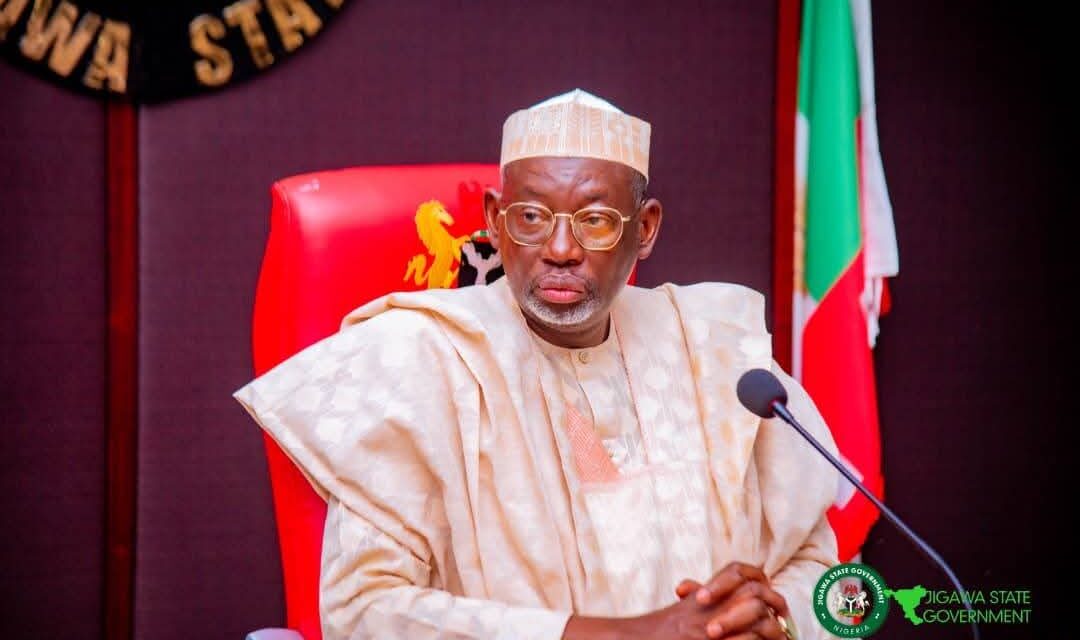
Three and a half decades after its creation, Jigawa stands at an important stage of its development, with Governor Umar A. Namadi pursuing a vision aimed at building a more productive, prosperous and self-reliant state.
Since assuming office on May 29, 2023, Governor Namadi has implemented the 12-Point Greater Jigawa Agenda, focusing on agriculture, education, healthcare, infrastructure, industrialisation, human capital development, technology, social protection, security and economic diversification.
At the centre of the agenda is the effort to convert Jigawa’s human and economic potential into sustainable opportunities for its people.
One of the administration’s notable approaches is citizen participation through “Gwamnati da Jama’a.” The initiative provides opportunities for citizens to engage government officials, discuss development projects and raise concerns, reinforcing the idea that citizens should be partners in development rather than passive beneficiaries.
Agriculture remains fundamental to Jigawa’s economy, with an estimated 80–90 per cent of the population depending on the sector. The administration is seeking to move farmers from subsistence production to commercial agriculture through irrigation, mechanisation, extension services, research and value addition.
The establishment of 60 agricultural service centres equipped with machinery and technical personnel is intended to improve farmers’ access to mechanisation.
Similarly, the revitalisation of the Jigawa Research Institute in Kazaure is designed to strengthen agricultural research and provide farmers with reliable information on crops and modern production methods.
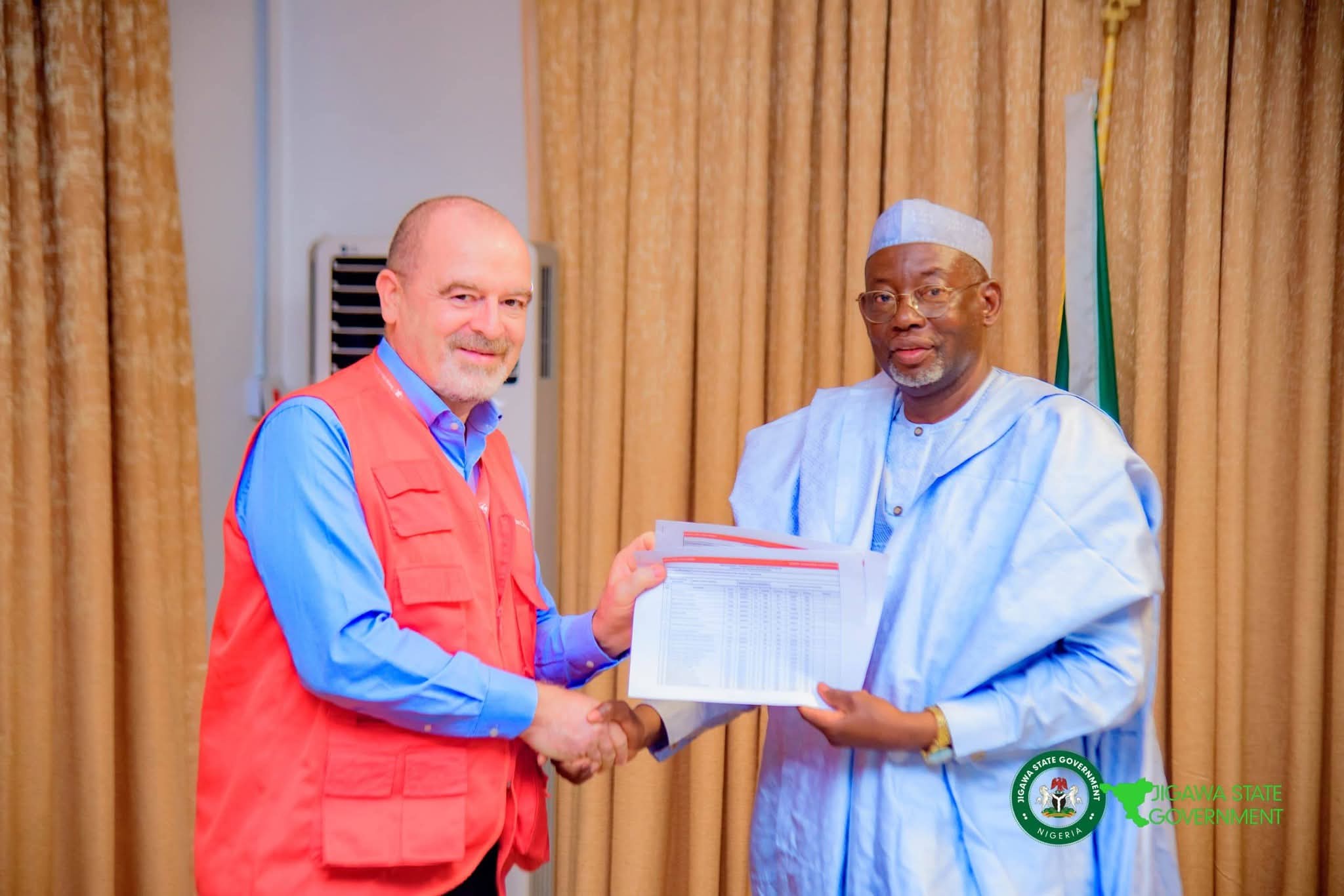
Potentially transformative is the proposed collaboration with Egypt-based EFC Plants on plant tissue culture technology for date palms and Irish potatoes. Beyond boosting production, the initiative could help Jigawa produce disease-free, high-yield planting materials locally while encouraging technology transfer, specialised training and private investment.
Industrialisation is another key pillar.
Reported investment commitments of about $1 billion, with the potential to create 60,000 jobs, could significantly expand the state’s economic base. However, the real test will be turning investment commitments into functioning enterprises, sustainable jobs and local value chains.
Human capital development complements this effort. Eight centres of excellence for Technical and Vocational Education and Training, seven technical secondary schools and plans to train 100 people in India and China demonstrate an emphasis on practical skills.
The graduation of 928 youths trained in emerging technologies under the World Bank-assisted IDEAS Project further illustrates the administration’s focus on preparing young people for employment and entrepreneurship.
Education interventions have also included school infrastructure, learning materials, digital education, scholarships and programmes supporting girls and vulnerable learners.
Healthcare, roads, housing and other infrastructure are similarly being strengthened to improve productivity, mobility and living standards.
These interventions are interconnected: roads support commerce, education builds human capital, healthcare protects productivity, agriculture creates livelihoods, industry generates jobs and security protects investment.
Yet progress must ultimately be measured by outcomes rather than projects. The real indicators will be sustainable jobs, commercially successful farmers, quality education, employable young people, productive private investment and effective public institutions.
At 35, Jigawa needs more than a catalogue of achievements. It needs a durable development architecture that survives changes in political leadership.
Governor Namadi’s emphasis on continuity, institutional strengthening and appointments based on knowledge, integrity and experience points in that direction.
The journey, however, remains unfinished.
The promise of a Greater Jigawa must be felt beyond Government House in Dutse—in farms, villages, schools, markets and communities across the state.
Jigawa at 35 is therefore not merely a celebration of the past. It is a call to build a stronger future. The task before the Namadi administration is to deepen the foundations already laid, expand economic opportunities, strengthen institutions and ensure that development is inclusive.
The milestone is 35 years. The greater challenge is building a Jigawa whose prosperity endures for generations.
Danyaro is a Public Affairs Specialist based in Abuja.
 Kano-Daura Rail Project to Be Commissioned by December 2026 — Transport Ministry
  FG Reviews Agricultural Land, Soil Policy to Strengthen Food Security
  Hausa Day: Governor Yusuf Says Language, Culture Are Pillars of African Unity
  Kano Gov Yusuf Urges Muslims to Embrace Prophet Muhammad’s Virtues
  Kano Pilgrims Board to Introduce LGA-Level Medical Screening for 2027 Hajj
  David Mark Urges Nigerians to Embrace Peace, Unity at Eid-ul-Maulud