
 By Editor
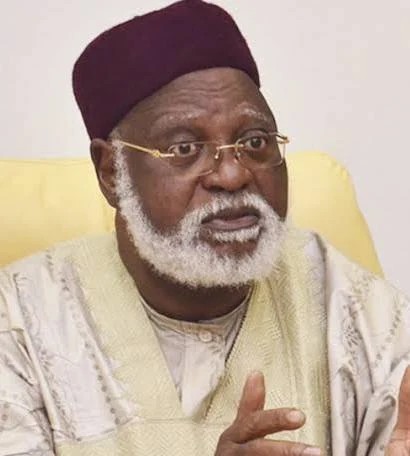
 As Nigeria celebrates the 84th birthday of former Head of State, Gen. Abdulsalami Abubakar, attention is once again drawn to the remarkable role he played in steering the country from military rule to democratic governance.
Few leaders in Nigeria’s history have left a legacy as enduring as Abdulsalami’s. While many are remembered for the years they spent in office, he is widely recognised for the impact of his brief but consequential leadership and his commitment to national unity, peace and democratic transition.
Born on June 13, 1942, in Minna, Niger State, Abdulsalami built a distinguished military career that spanned several decades. He served in key strategic positions and eventually rose to the rank of Chief of Defence Staff.
His defining moment came in June 1998 following the death of Gen. Sani Abacha. At a time when Nigeria faced political uncertainty, economic difficulties and growing international isolation, Abdulsalami assumed office as Head of State.
With many Nigerians uncertain about the future of military rule, he took a decisive step that would alter the course of the nation’s history. Within days of taking office, he unveiled a transition programme aimed at returning the country to civilian rule.
His administration released political detainees, initiated constitutional reforms, restored public confidence in the political process and organised elections that paved the way for democratic governance.
True to his pledge, Abdulsalami handed over power to President Olusegun Obasanjo on May 29, 1999, bringing an end to years of military rule and ushering in Nigeria’s Fourth Republic. More than two decades later, that republic remains the country’s longest uninterrupted democratic era.
Political observers and historians continue to regard the peaceful transfer of power as one of the most significant milestones in Nigeria’s democratic journey. It cemented Abdulsalami’s reputation as a leader who placed national interest above personal ambition.
Known for his calm temperament and inclusive leadership style, Abdulsalami worked across ethnic, religious and political divides to build consensus and foster confidence in the transition process.
Since leaving office, he has remained active in national and international peace-building efforts.
Through mediation initiatives, election monitoring missions and dialogue platforms, he has continued to champion peace, stability and democratic consolidation.
As Chairman of the National Peace Committee, he has played a pivotal role in encouraging political actors to embrace peaceful elections and democratic values, helping to reduce tensions during critical electoral periods.
His influence extends beyond Nigeria’s borders. Across Africa and the international community, Abdulsalami is respected as a mediator, bridge-builder and advocate for peaceful conflict resolution.
At 84, Gen. Abdulsalami Abubakar remains a symbol of patriotism, selfless service and responsible leadership.
His legacy serves as a reminder that true leadership is measured not by the length of time spent in office, but by the strength of the institutions built and the positive impact left behind.
As Nigerians celebrate his birthday, many view his contribution to the nation’s democratic development as one of the defining chapters in modern Nigeria’s history.
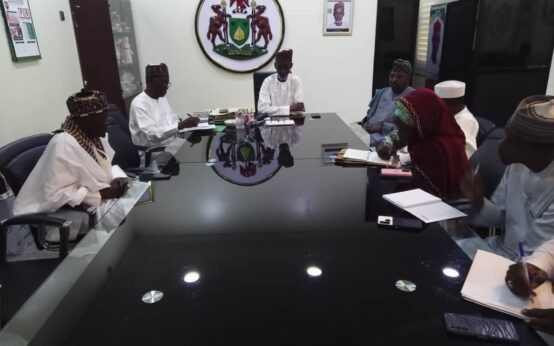 Kano Govt Sets Up Probe Panel on Widespread Town Planning Violations
 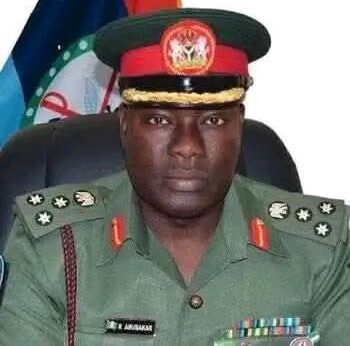 BREAKING: Retired Army Spokesman Maj.-Gen. Rabe Abubakar Dies in Bandits’ Captivity, Katsina Govt Confirms
 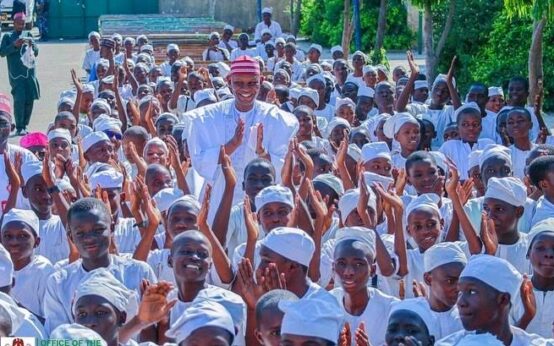 Democracy Day: Kano’s Two Faces of Governance Under Abba Kabir Yusuf
  ICSAN Celebrates 60th Anniversary, Ethical Leadership is the Nation Development:Emir if Kano
  Gov Yusuf Moves to Fast-Track Return of Kano Pilgrims, Holds Talks with Max Air CEO in Saudi Arabia
  FUE Zaria VC Advocates Continuous Road Safety Awareness, Receives FRSC Special Marshal Honour