
 By Editor
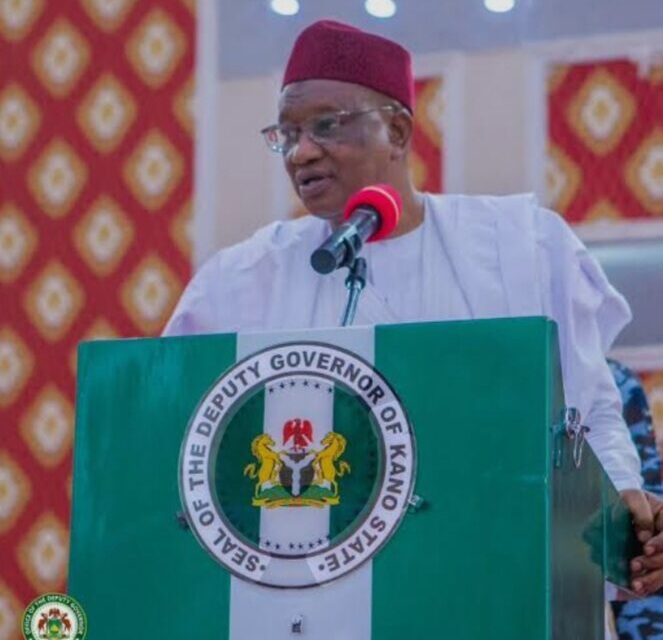
 The Deputy Governor of Kano State, Comrade Aminu Abdussalam Gwarzo, has emphasized the need for stronger regional collaboration among Northern states to drive sustainable development and attract large-scale investments across the region.
Speaking at the closing ceremony of the Bauchi Investment Summit 1.0, Comr. Gwarzo commended Governor Bala Abdulkadir Muhammad and the people of Bauchi State for successfully hosting what he described as a groundbreaking event that showcased the region’s untapped economic potential.
Representing the Governor of Kano State, Engr. Abba Kabir Yusuf, he said the summit had set a new benchmark for strategic governance and innovative economic planning in Northern Nigeria.
He applauded the Bauchi State Government’s foresight in convening the summit, noting that its success reflected meticulous organization and a deep commitment to inclusive growth.
The Deputy Governor urged other Northern governors to replicate Bauchi’s model by organizing similar investment-driven initiatives capable of transforming the region’s economy through partnership and knowledge sharing.
According to him, “Northern Nigeria is not a region dependent on others, but one rich in human and material resources. I’m very happy to hear you emphasizing that we are nobody’s parasites. We have never been and will never be, Insha’Allah. The surest way out of our challenges is through the support of our leaders and the effective utilization of our God-given resources.”
Third, investment in WASH Water, Sanitation, and Hygiene infrastructure is crucial.
Access to clean water, safe toilets, and proper waste disposal facilities ensures that menstrual hygiene can be managed safely and with dignity.
Non-Governmental Organizations (NGOs), Civil Society Organizations (CSOs), such as the MN-NoW project implemented by Population Services International (PSI) in Nigeria, the media, and community leaders also have a key role to play in breaking the silence and normalizing conversations about menstruation.
PSI Nigeria theme for the international day of the girl child 2025: “The Girl I am, the Change I Lead’: Girls on the Frontlines of Period Poverty”
Supporting local production of reusable or low-cost sanitary pads can also create jobs while promoting sustainability.
Ultimately, menstrual poverty is not just a women’s issue, it is a human rights and public health issue. Overcoming it means ensuring every girl and woman can manage her period safely, confidently, and without shame.
When we end menstrual poverty, we empower women, strengthen communities, and move closer to achieving gender equality.
Governments, communities, and individuals all have a role to play. It’s time to act because periods shouldn’t pause progress.
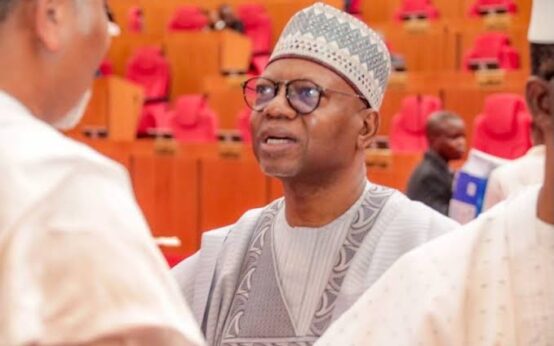 State Police Bill Passes Second Reading in Senate as Mohammed Sani Musa Backs Landmark Security Reform
  Gov. Yusuf Sets Up Probe Panel Over Death of St. Louis College Student in Kano
 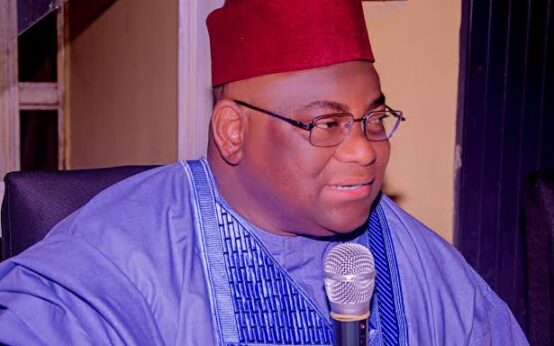 Kano Information Commissioner Waiya Shortlisted Among Top Three Crisis Communicators in Nigeria
  Kano CSOs Commend Waiya, Governor Yusuf for Strengthening Civic Engagement and Youth Rehabilitation
 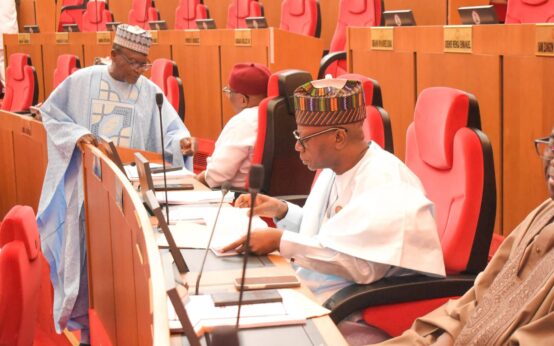 Senate Receives Tinubu’s State Police Bill as Senator Sani Musa Joins Emergency Plenary
  Jigawa First Lady Intensifies PVC Campaign, Urges Grassroots Support for APC