
 By Editor
 From Lagos and Kano’s urban flyovers to farm-to-market roads in Yobe and Ebonyi, Nigeria’s 36 state governments have, over the past three years, reshaped their infrastructure priorities to bridge development gaps between urban centres and rural communities.
Between 2023 and August 2026, state budgets and project implementation reveal a growing emphasis on balancing major urban infrastructure with roads, healthcare, schools, water and agricultural facilities in underserved communities.
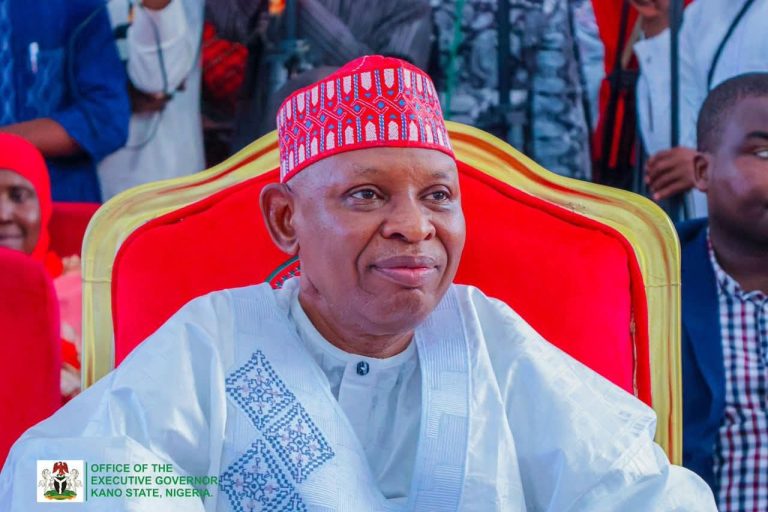
Kano State stands out for the scale and structure of its approach under Governor Abba Kabir Yusuf. Available project data shows that the administration has deliberately categorized investments across metropolitan, rural, cross-cutting and statewide projects.
The eight metropolitan Local Government Areas (LGAs) account for 598 projects valued at about N299.36 billion, while 36 rural LGAs have 653 projects worth approximately N287.90 billion.
Another 37 cross-cutting projects linking two or more LGAs are valued at N159.50 billion, while 269 statewide and other projects carry a combined value of N249.54 billion.
The spread covers major urban projects such as the Kano Metro Light Rail, metropolitan road rehabilitation, city flyovers, waterworks expansion, hospital upgrades and urban beautification. Rural investments include 5km roads across the 36 rural LGAs, renovation of 1,200 primary schools, 1,000 solar-powered boreholes, upgrades to five general hospitals, 150km of agricultural access roads and solar mini-grids for 50 communities.
Commissioner for Public Procurement, Projects Monitoring and Evaluation, Nura Ma’aji Sumaila, said the figures demonstrate that the administration’s development agenda extends beyond the metropolitan area.
The pattern is not unique to Kano.
Across the North-West, Kaduna is investing in urban renewal, housing, healthcare and transport while expanding feeder roads, schools, primary healthcare centres, water schemes and agricultural processing facilities.
In the North-East, Borno and Yobe are combining urban reconstruction with rural roads, healthcare, irrigation, housing and agricultural support, using infrastructure as a tool for economic recovery and peace-building.
North-Central states such as Plateau and Niger are similarly combining urban renewal with rural roads, clinics, boreholes and agricultural infrastructure. In the South-West, Lagos and Oyo are prioritising rail, roads and interchanges while extending investments to rural healthcare, roads and riverine transport.
The South-East and South-South also reflect their geographical realities, with states such as Ebonyi, Enugu, Delta and Rivers investing in roads, flyovers, bridges, healthcare, water and rural connectivity.
What distinguishes Kano, however, is the apparent scale and systematic distribution of projects between metropolitan and rural areas.
Sumaila said the government’s responsibility is to ensure that every naira committed to development undergoes proper procurement, monitoring and accountability processes.
For Kano, the broader test will be whether this extensive project portfolio translates into durable infrastructure, improved livelihoods and measurable value for citizens across all 44 LGAs.
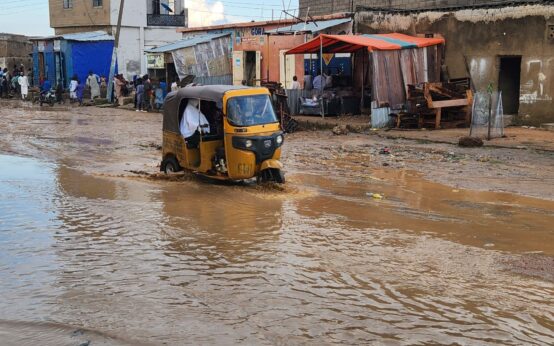 When Rain Falls, Tunga Residents Become Prisoners in their Own Community
  Kano Opens Applications for Seedlings as State Targets 10 Million Trees in Major Climate Campaign
 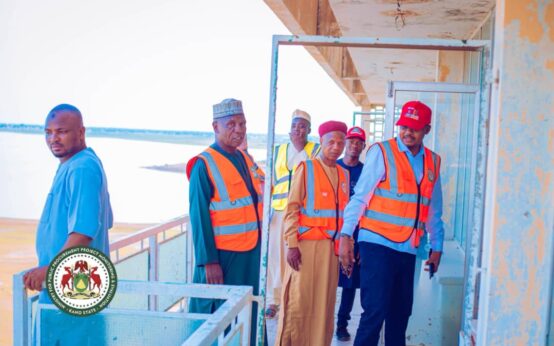 Kano Intensifies Statewide Project Monitoring as Commissioner Inspects Bagauda Dam, Tiga Film Academy, Health and Education Projects
  Kano Opens Applications for 166 Solar-Powered Boreholes to Ease Water Shortages
  Hadejia-Jama’are RBDA Orders Immediate Repair of Vandalised Canal After Flooding Destroys 100 Hectares of Farmland
  Kano Signs N21.29bn Deal to Revamp Tamburawa, Challawa Water Plants