
 By Editor
 By Shu’aibu Usman Leman
For decades, Nigerians have lived with the harsh reality of an electricity sector that continues to promise transformation but delivers very little in return. Every administration arrives with ambitious reform plans, while successive Ministers of Power assure citizens of improved generation and stable supply. Yet, for millions of Nigerians, daily life remains defined by darkness, noisy generators, and rising energy costs.
Electricity remains one of the most critical pillars of national development. No modern economy can thrive without stable and affordable power. It was therefore unsurprising that President Bola Ahmed Tinubu made electricity reform a central part of his 2023 campaign promises, linking the success of his administration to improvements in the sector.
However, despite renewed commitments, the everyday experience of Nigerians has changed little.
Businesses continue to struggle with unreliable supply, households endure prolonged blackouts, and generators have effectively become Nigeria’s unofficial power infrastructure.
Against this background, the recent appearance of Minister of Power, Joseph Tegbe, before the Senate introduced a different tone from the usual optimistic declarations associated with the sector. Rather than promising immediate nationwide 24-hour electricity, the minister only pledged “visible improvement in the shortest possible time.”
While modest, the statement reflected a rare acknowledgement of the deep-rooted structural problems crippling Nigeria’s power industry.
The country’s electricity crisis is driven by decades of underinvestment, weak transmission infrastructure, gas supply shortages, financially troubled distribution companies, and a persistent liquidity crisis affecting the entire value chain.
Repeated national grid collapses have further weakened public confidence, making instability appear normal rather than exceptional.
For ordinary Nigerians, the consequences are severe. Citizens now face a double energy burden: paying high electricity tariffs despite poor supply while also spending heavily on fuel to power generators.
With petrol prices climbing to about ₦1,400 per litre in many areas, self-generated electricity is rapidly becoming unaffordable.
Small businesses, artisans, and low-income households are among the hardest hit. Many are trapped between an unreliable public power system and the rising cost of alternative energy sources.
In Bauchi and many other parts of the country, consumers complain that even when electricity is available, the voltage is often too weak to power basic appliances effectively. Prepaid meters continue to impose heavy financial pressure, while estimated billing customers frequently face questionable charges from distribution companies.
As a result, the popular “I pass my neighbour” generator, once considered a symbol of resilience, is gradually becoming a luxury affordable only to the wealthy.
This worsening situation has pushed many Nigerians toward solar energy solutions.
Homes and businesses are increasingly investing in solar systems, not for environmental reasons, but out of economic necessity. However, concerns over possible taxes or additional regulations on solar installations have sparked fears that government policies could undermine one of the few reliable alternatives available to citizens.
Ironically, reports suggest that even the Presidential Villa in Abuja has embraced solar energy to reduce dependence on the national grid. This development has raised questions about why ordinary Nigerians should face obstacles in adopting similar solutions.
Analysts argue that Nigeria needs a coherent energy policy that supports solar power, strengthens gas infrastructure, and reforms the national grid simultaneously.
Ultimately, Nigerians are not demanding miracles. They simply want affordable, reliable electricity and honest leadership in a sector that directly affects every aspect of daily life.
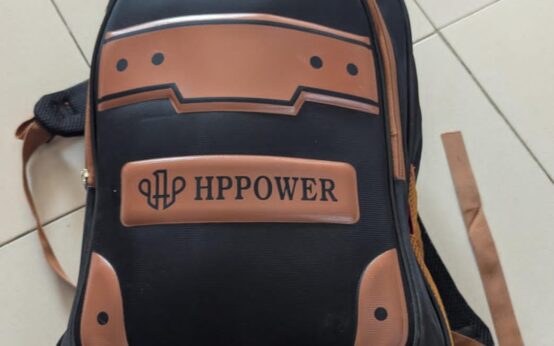 Honest Tricycle Rider Hands Over Forgotten Bag Containing Cash to Kano Police
 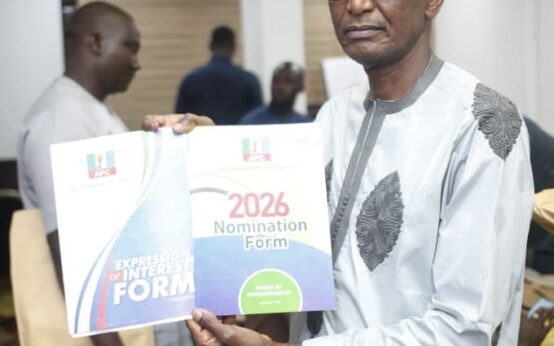 Gumel Submits APC Nomination Forms for Jigawa Reps Seat, Pledges Grassroots Development
  Kano Justice Ministry, Police Strengthen Partnership to Improve Criminal Justice Delivery
 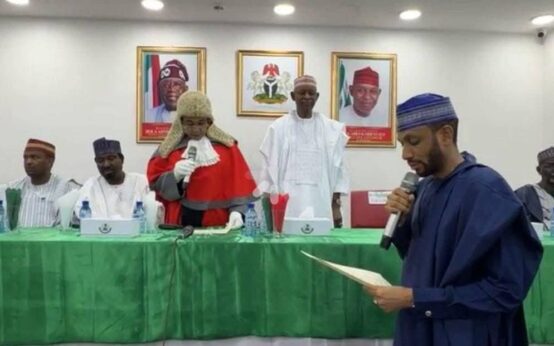 Yusuf Tasks New Kano Deputy Governor Garo on Development, Service Delivery
  Kano Pilgrims Board Sets May 14 for First Hajj Flight, Finalises Arrangements
  Kano Youth Groups Reject Shekarau Rumours, Demand Senatorial Ticket for AA Zaura