
 By Editor
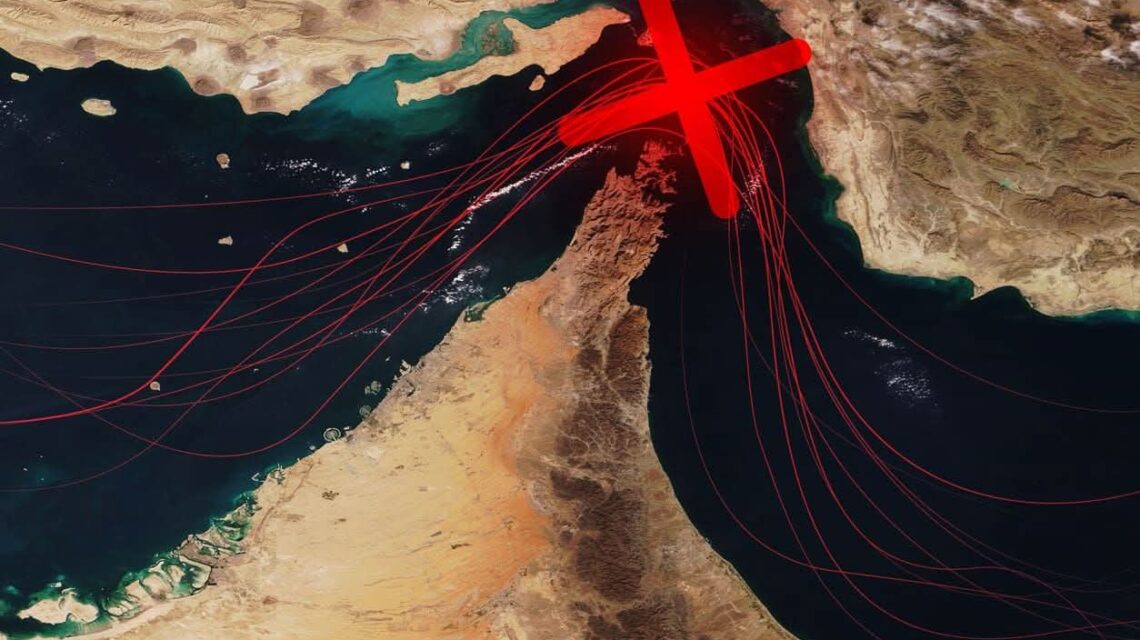
 Iran’s Foreign Minister, Abbas Araghchi, has announced that Tehran will allow safe passage through the strategic Strait of Hormuz for a period of two weeks, on the condition that all military attacks against the country are suspended.
The development is part of a broader de-escalation agreement involving the United States and Israel, following intense diplomatic engagements spearheaded by regional mediators.
Araghchi stated that Iran is also willing to “suspend defensive operations” within the same timeframe, provided opposing forces halt their strikes.
The Strait of Hormuz, which lies between Iran and Oman, remains one of the world’s most critical (oil) transit routes, accounting for about 20 percent of global oil exports.
Recent disruptions in the waterway had triggered a surge in oil prices and raised concerns over a potential global energy crisis.
The breakthrough follows an announcement by former U.S. President Donald Trump, who disclosed a two-week suspension of planned American military action against Iran, contingent upon the immediate reopening of the strait. Officials have described the arrangement as a “double-sided ceasefire,” requiring full compliance from all parties involved.
Under the agreement, Iran will oversee maritime traffic through its armed forces to ensure safe navigation, while the United States has indicated readiness to assist in easing congestion caused by weeks of stalled shipping activities.
Tensions had escalated after Iran imposed restrictions on vessels linked to countries it accused of engaging in military aggression, particularly the United States and Israel.
Tehran maintained that the measures were defensive rather than a complete blockade.
The standoff created a backlog of oil tankers, disrupting global energy supply chains, with millions of barrels of crude stranded across the Gulf region awaiting clearance.
The agreement was reached after last-minute mediation efforts by Pakistan, Egypt, and Turkey, helping to avert a wider military confrontation.
Global markets reacted positively to the announcement, with oil prices dropping and investor confidence improving amid hopes that the temporary truce could lead to a more lasting resolution.
However, Iranian officials cautioned that the ceasefire remains conditional and warned that defensive actions would resume if hostilities restart.
Negotiations are expected to continue in the coming days as all sides explore the possibility of a long-term peace agreement.
 Yusuf Pays N32bn Pension Backlog, Vows Full Settlement Before Year-End
  At 78, David Mark Remains a Symbol of Stability and Enduring Leadership in Nigeria
  Gov. Yusuf Orders Crackdown on Sand Mining Around Kano Water Facilities
  Gov. Abba Kabir Yusuf Inspects Tamburawa Water Plant, Moves to Tackle Kano’s Water Supply Challenges
  Kano Assembly Withdraws Impeachment Notice Against Former Deputy Governor After Resignation
  Akwa Ibom Police Activate Statewide Security Operations, Warn Criminals of Decisive Action