

 By Editor
 By Hamza Lawan Ahmad, Dutse.
At the busy Sara Market in Gwaram Local Government Area of Jigawa State, the smell of freshly processed groundnuts tells a quiet but powerful story of survival, resilience, and hope. For more than ten years, Hajiya Amina Haladu Maruta has made her living from kuli kuli — a traditional groundnut snack that sustains millions of households across Nigeria.
Speaking with our correspondent, the well-known trader appealed to the Jigawa State Government to recognize and support kuli kuli traders, describing the business as a major source of income and a driver of economic activity in the state.
“Kuli kuli is not a small business,” Hajiya Amina said. “It feeds families, pays school fees, and attracts traders from the North East and other parts of the country who come to Jigawa to buy and supply the product.”
Despite its importance, she expressed concern that traders in the sector have been largely neglected, even after forming associations aimed at improving standards and growing the business.
Hajiya Amina, a supporter of the Peoples Democratic Party (PDP), however, praised Governor Malam Umar Namadi for his commitment to improving the socio-economic well-being of the people. She commended the governor’s economic empowerment programmes, which form part of his 12-point development agenda, noting that they are already making a visible impact across the state.
“I may belong to another party, but good leadership deserves appreciation,” she said.
“The governor’s efforts are helping many people, and that is what matters.”
She called on the state government, as well as national and international donors, to extend financial and institutional support to kuli kuli traders, just as other small-scale businesses receive assistance.
According to her, empowering the sector would create more job opportunities, particularly for youths and women in rural communities, while strengthening Jigawa State’s local economy.
“When this business is supported, it will grow. And when it grows, more people will benefit,” she added.
For traders like Hajiya Amina, kuli kuli is more than a snack — it is a lifeline, waiting to be strengthened through meaningful support and inclusion in government empowerment policies.
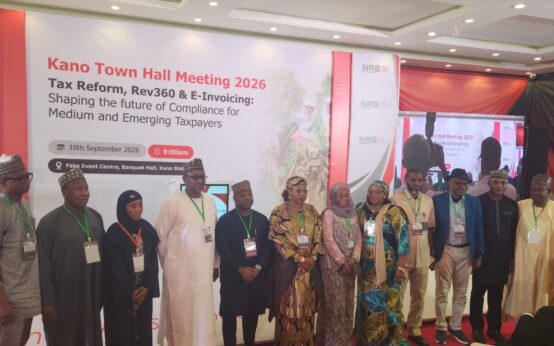 NRS to Build Tax System That Supports and Drives Economic Growth in Nigeria— Adedeji
  NEPC Urges Kano Farmers to Process Soybeans for Export, Says Nigeria Losing Millions in Raw Produce Trade
  Niger State Hands Over 500 Hectares to Abuja Steel Mills for Solar Farm, Industrial Park
  Dangote Refinery Suspends Petrol Exports, Prioritises Nigerian Market Amid Operational Challenges
 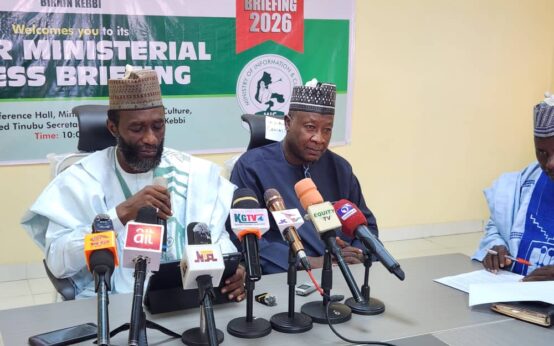 Kebbi Unveils Investor-Friendly Reforms to Drive Economic Growth, Attract Investments
  Dangote Cement Deploys AI, Advanced Safety Systems as Truck Crashes Drop 56%