
 By Editor
 By Ladan Nasidi,Kano
Industries worldwide consume almost 50 per cent of total global energy, a trend that continues to fuel massive energy wastage and environmental degradation, the Global Environment Facility United Nations Industrial Development Organization (GEF–UNIDO) has warned.
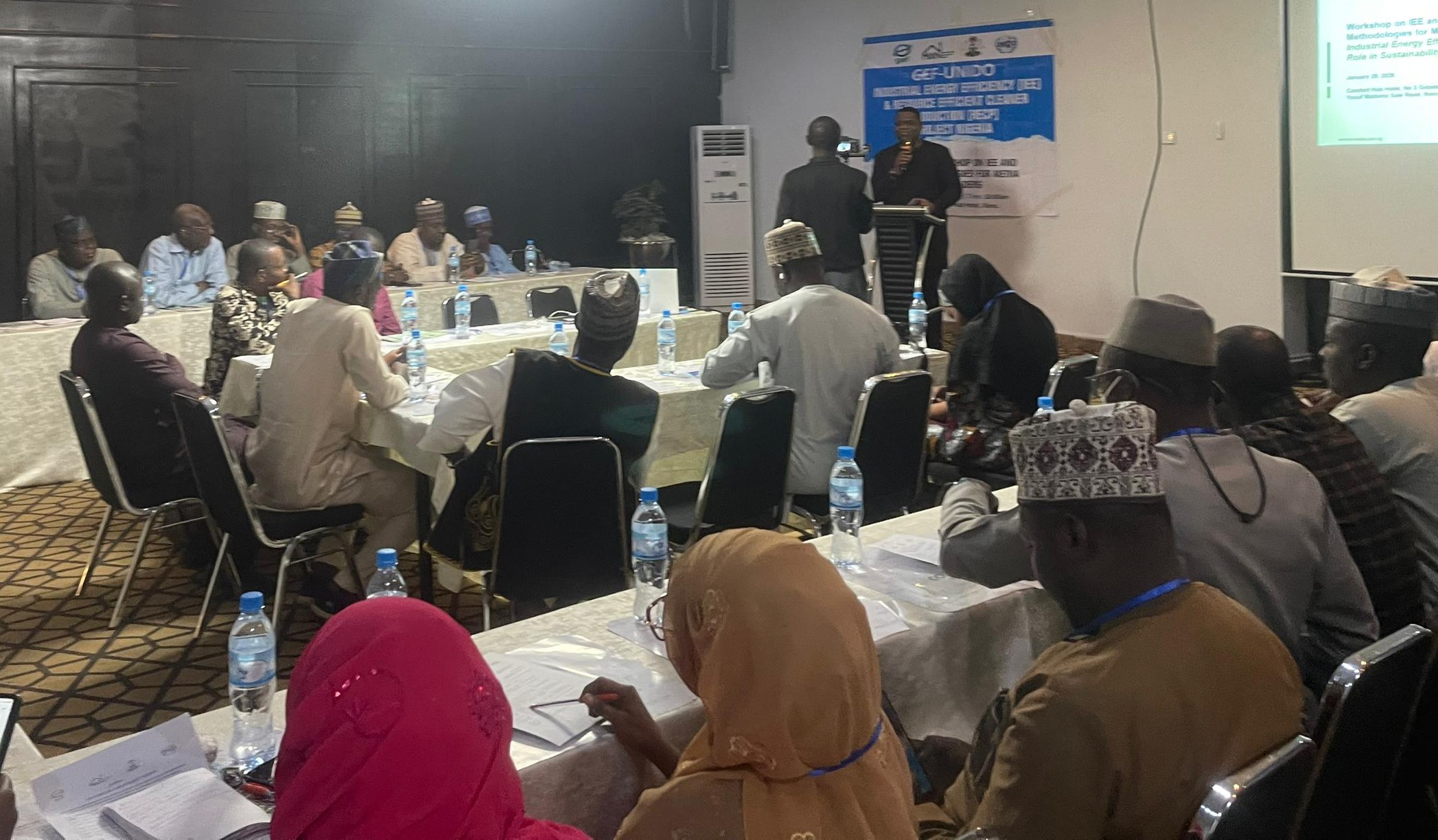
The National Project Coordinator of the GEF–UNIDO Industrial Energy Efficiency (IEE) and Resource Efficient Cleaner Production (RECP) Project in Nigeria, Dr. Oladapo Jacob, disclosed this during a media training workshop on Industrial Energy Efficiency and RECP methodologies held in Kano.
Dr. Jacob described industrial energy wastage as a growing global concern with serious implications for climate change, economic sustainability and industrial productivity.
“Unchecked industrial energy consumption is a major contributor to greenhouse gas emissions,” he said. “If urgent measures are not taken, the consequences for the environment and future economic growth will be severe.”
He stressed that improving industrial energy efficiency and adopting cleaner production practices are critical steps toward reducing emissions and achieving the Sustainable Development Goals (SDGs).
“Reducing industrial emissions through energy efficiency is not optional; it is essential for sustainable development,” Dr. Jacob added.
He also called on media professionals to play a stronger role in raising public awareness on the need to reduce energy wastage, embrace efficient technologies and support policies that mitigate the environmental impact of industrial activities.
Also speaking at the workshop, the National Expert on Industrial Energy Efficiency, Mr. Obafemi Adejumo, presented a paper titled “The Fundamentals of Industrial Energy Efficiency and Its Impact on Sustainability.”
Mr. Adejumo examined past and present patterns of energy consumption, noting that modern technologies and innovative approaches are helping industries cut energy use without sacrificing productivity.
“Improving energy efficiency lowers production costs while enhancing environmental sustainability through reduced emissions and better resource conservation,” he explained.
Similarly, the RECP National Expert, Mr. Chukwudipo, delivered a presentation on “The Concept of Cleaner Production and Its Role in Reducing Resource Consumption and Environmental Footprints.”
He emphasized the need for industries to minimize waste, optimize resource use and adopt cleaner technologies to reduce their environmental footprint.
“Cleaner production strategies not only protect the environment but also make industries more competitive and resilient,” he said, adding that such practices help preserve natural resources for future generations.
In another presentation, the Communication Expert, Mrs. Mojishola Osiboye, spoke on Best Practices for Reporting on Energy Efficiency and Sustainable Industrial Practices.
She urged journalists to simplify complex technical issues surrounding energy efficiency and sustainability to make them more accessible to the general public.
“Effective media reporting can shape public perception, influence policy decisions and drive behavioral change towards sustainable industrial practices,” Mrs. Osiboye noted.
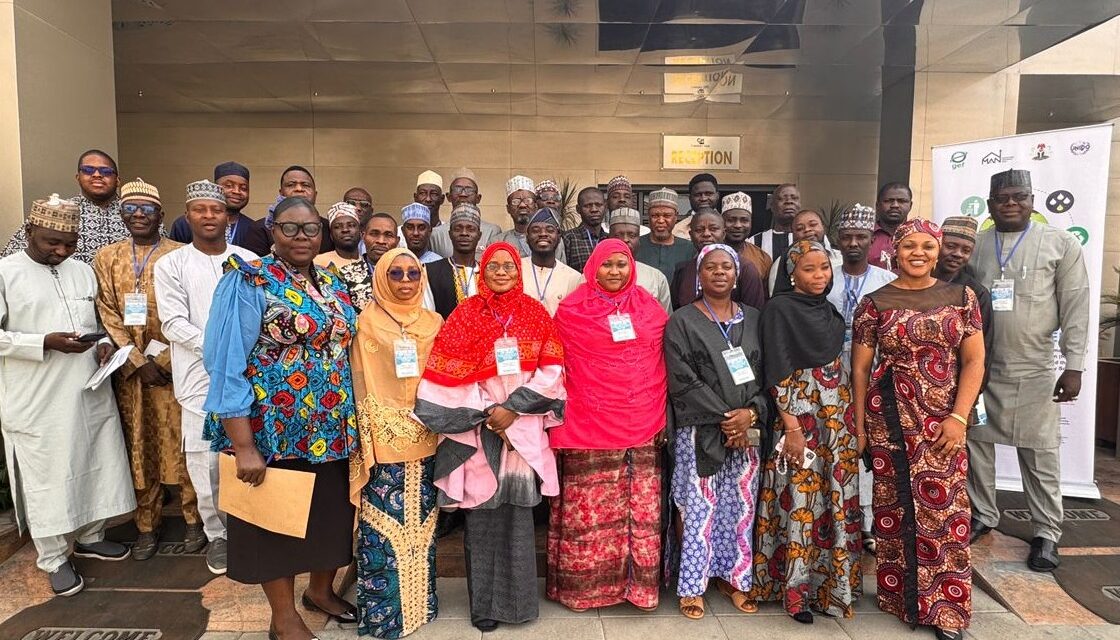
The workshop, organized under the GEF–UNIDO project, attracted journalists from across Kano State and was aimed at strengthening media capacity to report accurately and responsibly on energy efficiency, cleaner production and sustainability issues.
 AbdulRazaq, has called on President Bola Ahmed Tinubu to consider increasing Nigeria’s national minimum wage from N70,000 to N100,000.
  Yusuf Reaffirms Commitment to Kano First Agenda as Emir Sanusi Commends Development Strides
  Eid-el-Kabir: Embrace Sacrifice, Unity and Patriotism for National Growth — CGC Adeniyi
  Eid-el-Kabir: Gov Aliyu Urges Muslims to Support Vulnerable Groups in Sokoto
  2027: Sulaiman Goro Reaffirms Loyalty to Kwankwasiyya, Promises Jobs and Development for Fagge
  Eid-el-Kabir: Gov Aliyu Urges Muslims to Share Sacrificial Meat With Vulnerable Groups