
 By Editor
 By Ladan Nasidi,Kano
Kano City came alive as the revived edition of the Kano Festival of Arts and Culture (KANFEST) officially kicked off, marking a major step in restoring the ancient city’s place as a center of art, heritage, and cultural pride.
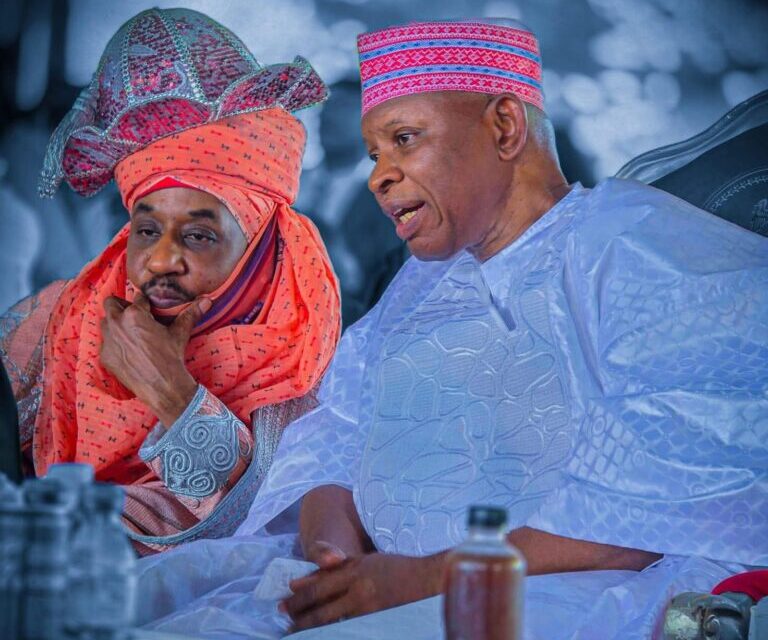
Flagging off the three-day festival, Governor Abba Kabir Yusuf reaffirmed his administration’s determination to reposition Kano’s culture and tourism sector—not just as a source of prestige, but as a catalyst for economic growth, social unity, and identity preservation.
“Our culture is our dignity and our strength,” the governor declared. “By promoting arts and heritage, we are empowering our people, strengthening peace, and building an economy rooted in creativity and enterprise.”
Governor Yusuf highlighted Kano’s global significance, noting UNESCO’s recognition of the famous Kano Durbar (Hawan Daba) as part of the world’s intangible cultural heritage. In celebration of this milestone, he signed an Executive Order mandating all four emirates—Kano, Rano, Gaya, and Karaye—to host annual Durbar festivals.
He also assured that both the state government and all 44 local councils would continue to back cultural projects that foster peace, youth empowerment, and economic diversification.
“As we launch this new KANFEST, let it remind us that arts, culture, and tourism are not only our heritage but vital tools for development,” Yusuf added. “Together, we shall make Kano once again the cultural heartbeat of Nigeria and the pride of Africa.”
The governor unveiled a number of projects aimed at reviving Kano’s lost glory, including the near completion of the long-abandoned Ministry of Culture and Tourism complex and the remodeling of the History and Culture Bureau into a world-class research and documentation center.
He further disclosed ongoing restoration works on historic monuments such as Gidan Dan Hausa—the first Western school in Northern Nigeria, Gidan Makama Museum, and other colonial-era structures, all designed to attract scholars and tourists from across the world.
Yusuf also announced efforts to modernize Majema, the colonial-era tannery that forms the backbone of Kano’s renowned leather industry, to empower local artisans and improve global competitiveness.
Another key initiative is the restoration of the ancient Badala city walls and gates, some over 700 years old. The governor described the project as “a symbol of unity, resilience, and civilization,” pledging to combine traditional craftsmanship with modern innovation.
In his goodwill message, Emir of Kano, Muhammadu Sanusi II, commended the governor for reviving the festival and for his dedication to preserving the state’s cultural heritage.
Also speaking at the event, Rwanda’s Ambassador to Nigeria, Mr. Christophe Bazivamo, praised Kano’s cultural revival as a model for Africa, emphasizing that “our traditions and heritage are the foundation of unity, dignity, and resilience — and they are key to building a strong future for generations to come.”
The 2025 edition of KANFEST continues through the weekend, featuring colorful parades, music, art exhibitions, and performances celebrating the spirit and creativity of the people of Kano.
 Kaltungo Set to Host Colourful 2025 Annual Festival as December Approaches
  KANFEST 2025: Governor Abba Kabir Yusuf Rekindles Kano’s Cultural Flame and the Majesty of the Durbar
  616 Films To Feature In Kano Indigenous Languages of Africa Filme Market and Festival